
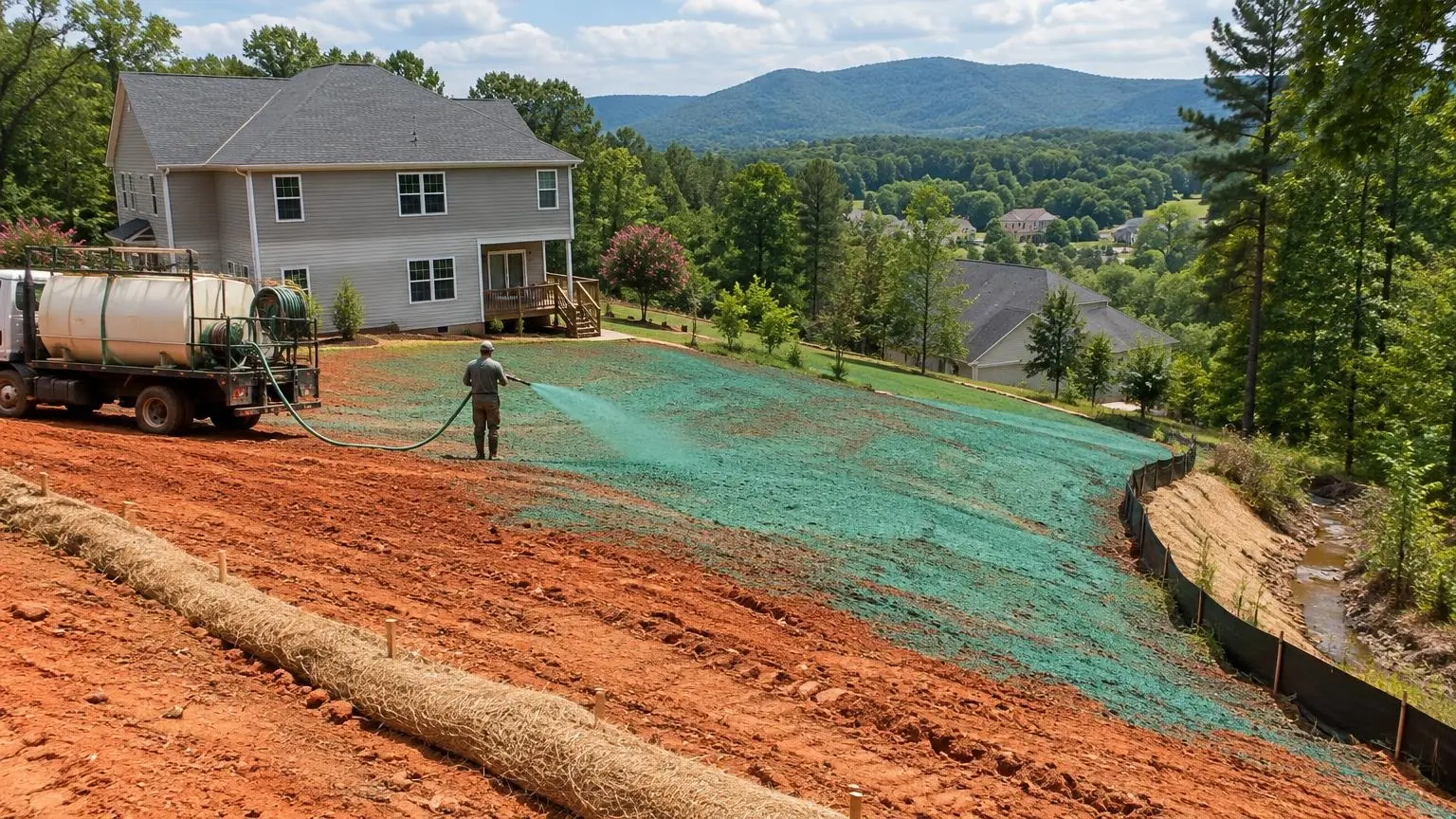
Sediment control for small and large sites
Silt Fence & Inlet Protection in Greenville, SC
Perimeter fence, inlet protection and maintenance, set where the water actually leaves the site.
- We walk your site at no cost and put the quote in writing
- Seed mix chosen for your sun, shade and season
- Silt fence, blankets and grading handled by one crew
Keeping Mud Out of the Street and the Creek
Silt fence and inlet protection are the basic sediment controls on almost every construction site in Greenville. Silt fence is a woven fabric fence, trenched into the ground on the low side of disturbed soil, that slows runoff and lets sediment settle out before water leaves the site. Inlet protection works the same way right at the storm drain opening, so muddy water does not go straight into the pipe and on to a creek. We install both, maintain them through the job, and remove them when the ground has grass on it.
Why the rules ask for it
Red Upstate clay turns into muddy water fast in a summer storm, and that water heads downhill to the Reedy, the Enoree, the Saluda or the Tyger. Local governments regulate it. Greenville County's stormwater ordinance includes a division on grading and sediment control. Some cities go further: Easley's code requires even sites disturbing less than one acre to submit a stormwater permit application and list the best management practices that will control erosion and sediment during and after construction, with SCDHEC's stormwater BMP manual as the guide. Spartanburg County and Anderson County have their own processes. If your plan or permit shows silt fence, that fence is going to be inspected.
Installed so it works
Most failed silt fence fails for the same few reasons. The bottom was not trenched in, so water runs under it. It runs straight downhill instead of along the contour, so it acts like a channel. Or it was placed where water concentrates, like the bottom of a swale, and it gets blown out. We trench and backfill the fabric, set posts on the downhill side at proper spacing, follow the contour line and curl each end of the fence up the slope, and use reinforced or stabilized fence where loads are higher. Where water concentrates, we use other measures instead of asking a fence to act as a dam.
Inlets and entrances
Curb inlets and yard drains near a site get filter fabric, sediment bags, gravel and mesh, or sandbag protection; which one fits comes down to the kind of inlet and how much traffic passes over it. We also build stone construction entrances so trucks drop mud on the rock instead of on the street. All of these need checking after rain and cleaning when sediment builds up.
Maintenance and removal
Silt fence is only as good as its last inspection. After heavy rain we check for undercutting, sagging, overtopping and torn fabric, and we remove sediment once it builds up behind the fence. Once the disturbed area has a permanent stand of grass, the fence comes out, the trench is filled and the strip is seeded. Silt fence contractors who install but never maintain leave builders with failed inspections; we would rather plan the whole cycle.
Common jobs
- Perimeter silt fence for single-family lots and additions
- Fence and inlet protection for subdivision phases
- Construction entrance pads
- Repairs after storms or equipment damage
- Removal and seeding of the fence line at the end of a job
Sediment Control Services
Installed, maintained and removed through the life of the project.
Silt fence installation
Trenched, staked fabric fence along the contour on the low side of the work.
Reinforced silt fence
Wire-backed or stabilized fence where runoff loads are heavier.
Inlet protection
Fabric, bags, gravel and mesh or sandbags at curb and yard inlets.
Sediment tubes and wattles
Fiber logs on slopes and at the toe of disturbed areas.
Construction entrances
Stone pads that keep truck tires from tracking mud into the street.
Inspection, cleanout and removal
Post-storm checks, sediment removal and final takedown with seeding.
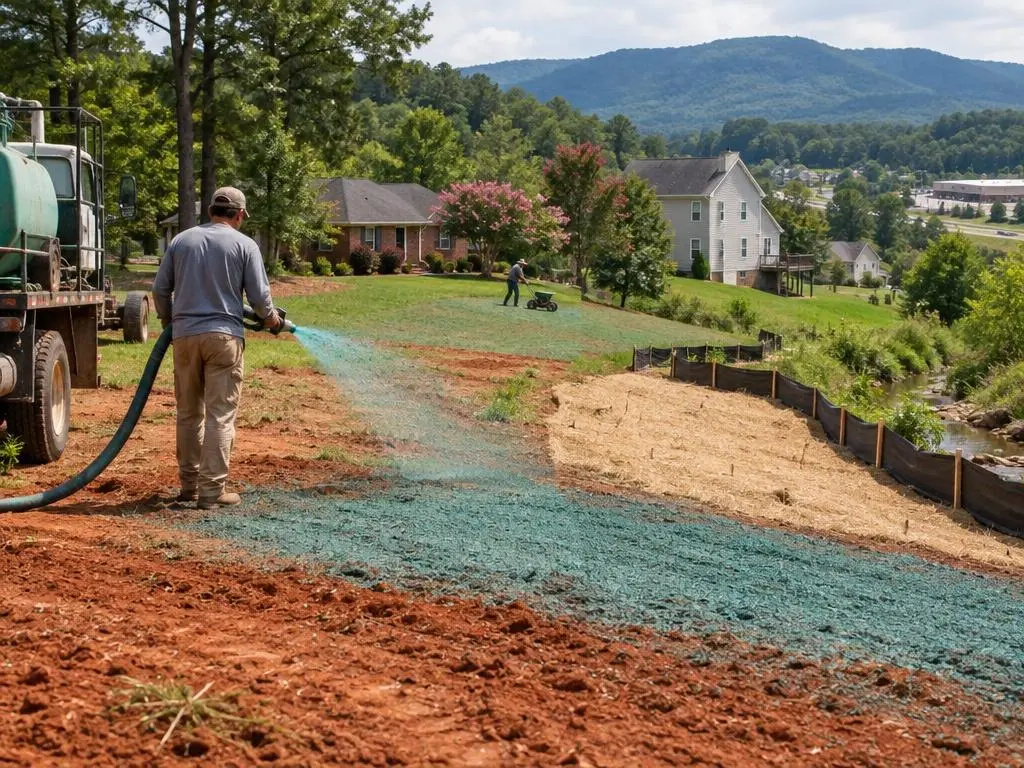
Silt Fence and Inlet Protection Unit Rates
| Item | Published unit rate |
|---|---|
| Standard silt fence without reinforcement, each 100 linear feet (a 2025 state highway price sheet) | $378 |
| Reinforced (stabilized) silt fence, each 100 linear feet (same price sheet) | $748 |
| Fabric barrier around a drain inlet, per inlet (same price sheet) | $102 |
| Sandbag ring at a drain inlet, per inlet (same price sheet) | $141 |
| Gravel-and-wire-mesh inlet filter, per inlet (same price sheet) | $172 |
| Construction entrance | Quoted once we see the entrance location |
These are published ranges, not our price list. Size, slope, access and soil prep change every job. Useful for planning only. Your cost is settled in the quote we write up. Rates taken from a 2025 state highway price sheet are unit rates, not a local price quote.
How We Set Up a Site
1. Review the plan
We read your permit or erosion control plan, or lay out controls for a small lot that has none.
2. Walk the low side
Find where water leaves the site and where inlets and entrances need protection.
3. Install
Trench and stake the fence, protect inlets and build the entrance pad.
4. Maintain
Check after storms, clean out sediment and repair damage.
5. Remove and seed
Pull the fence once grass is established and seed the strip.
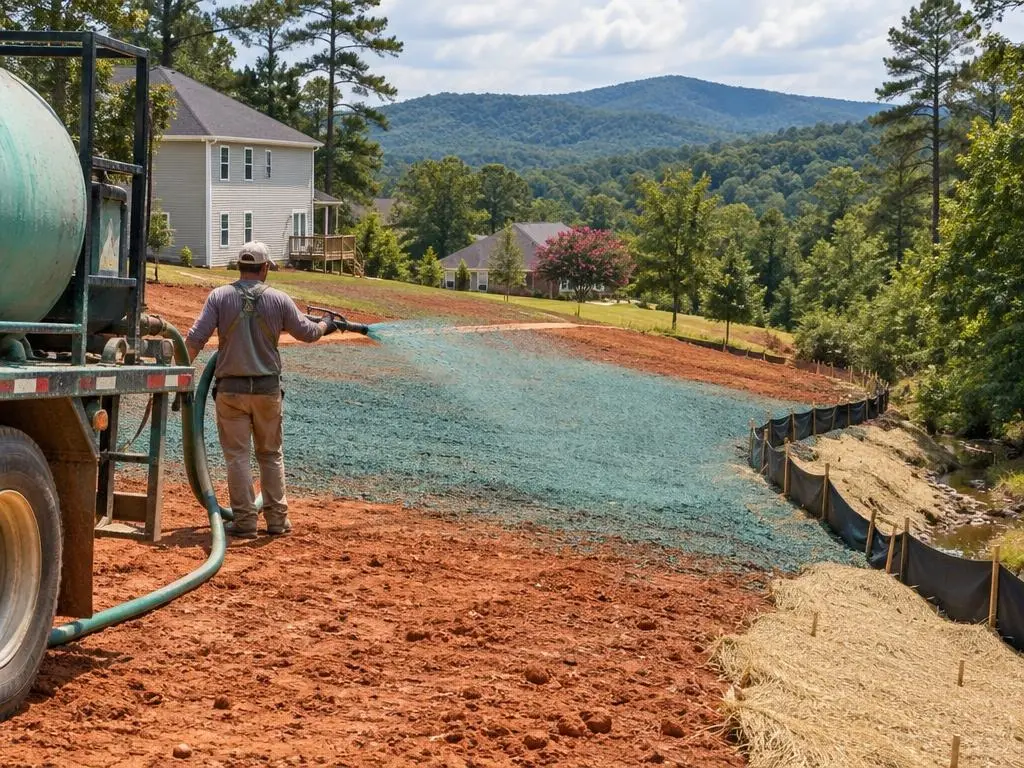
Why Choose Us for Silt Fence & Inlet Protection
Fence and seed from one crew
We stabilize the ground that lets the fence come out.
Installed to standard
Trenched, staked and run along the contour, not just stapled to posts.
Ongoing maintenance
Post-storm checks and cleanouts so inspections go smoothly.
Silt Fence & Inlet Protection Questions
Does a single house lot need silt fence?
Often, yes, especially when the lot slopes toward a street, inlet, neighbor or creek. Your permit or local office sets the requirement; we follow it.
How long does a silt fence stay in place on a Greenville job?
Until the disturbed area has permanent vegetation and the inspector signs off. Then we remove it and seed the strip.
Why does silt fence fail?
Usually because it was not trenched in, was run downhill, or was placed across concentrated flow. Proper installation prevents most failures.
Can you take over maintenance on a site someone else set up?
Yes. We can inspect, repair and clean out existing controls.
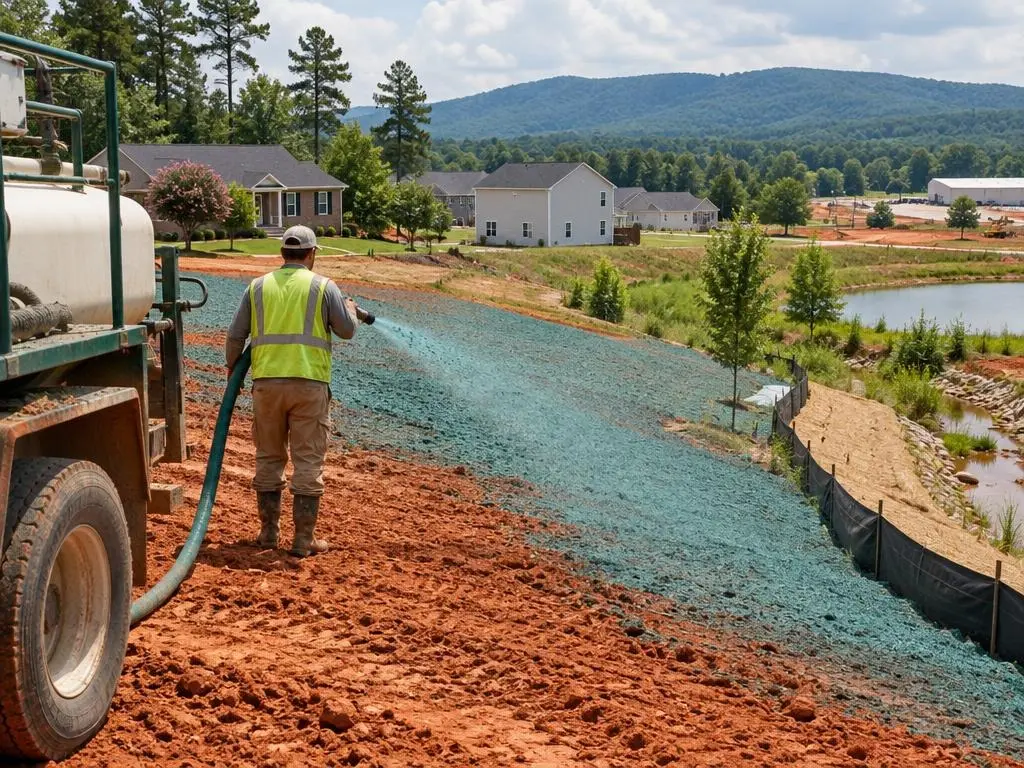
Silt Fence & Inlet Protection Service Areas
- Hydroseeding in Greenville, SC
- Hydroseeding in Greer, SC
- Hydroseeding in Simpsonville, SC
- Hydroseeding in Mauldin, SC
- Hydroseeding in Fountain Inn, SC
- Hydroseeding in Easley, SC
- Hydroseeding in Travelers Rest, SC
- Hydroseeding in Taylors, SC
- Hydroseeding in Five Forks, SC
- Hydroseeding in Powdersville, SC
- Hydroseeding in Piedmont, SC
- Hydroseeding in Spartanburg, SC
- Hydroseeding in Duncan, SC
- Hydroseeding in Lyman, SC
- Hydroseeding in Boiling Springs, SC
- Hydroseeding in Inman, SC
- Hydroseeding in Woodruff, SC
- Hydroseeding in Anderson, SC
- Hydroseeding in Clemson, SC
- Hydroseeding in Pickens, SC
- Hydroseeding in Liberty, SC
- Hydroseeding in Pelzer, SC
Get a Silt Fence & Inlet Protection Estimate
Silt fence and sediment control estimates across the Upstate.